For the past 60 years, The Pennsylvania Sports Hall of Fame has honored and inducted over 780 incredible men and women who have made a lasting impact in Pennsylvania through extraordinary athletic achievement and contributions. Whether these activities have been achieved on or off the field, we honor them. Through our future virtual museum, we educate and celebrate their achievements for years to come.
The Pennsylvania Sports Hall of Fame’s 2025 Induction Ceremony and Dinner is Saturday, October 18, 2025 at 6:00 pm at the Sheraton Station Square Hotel.
, InducteesResults
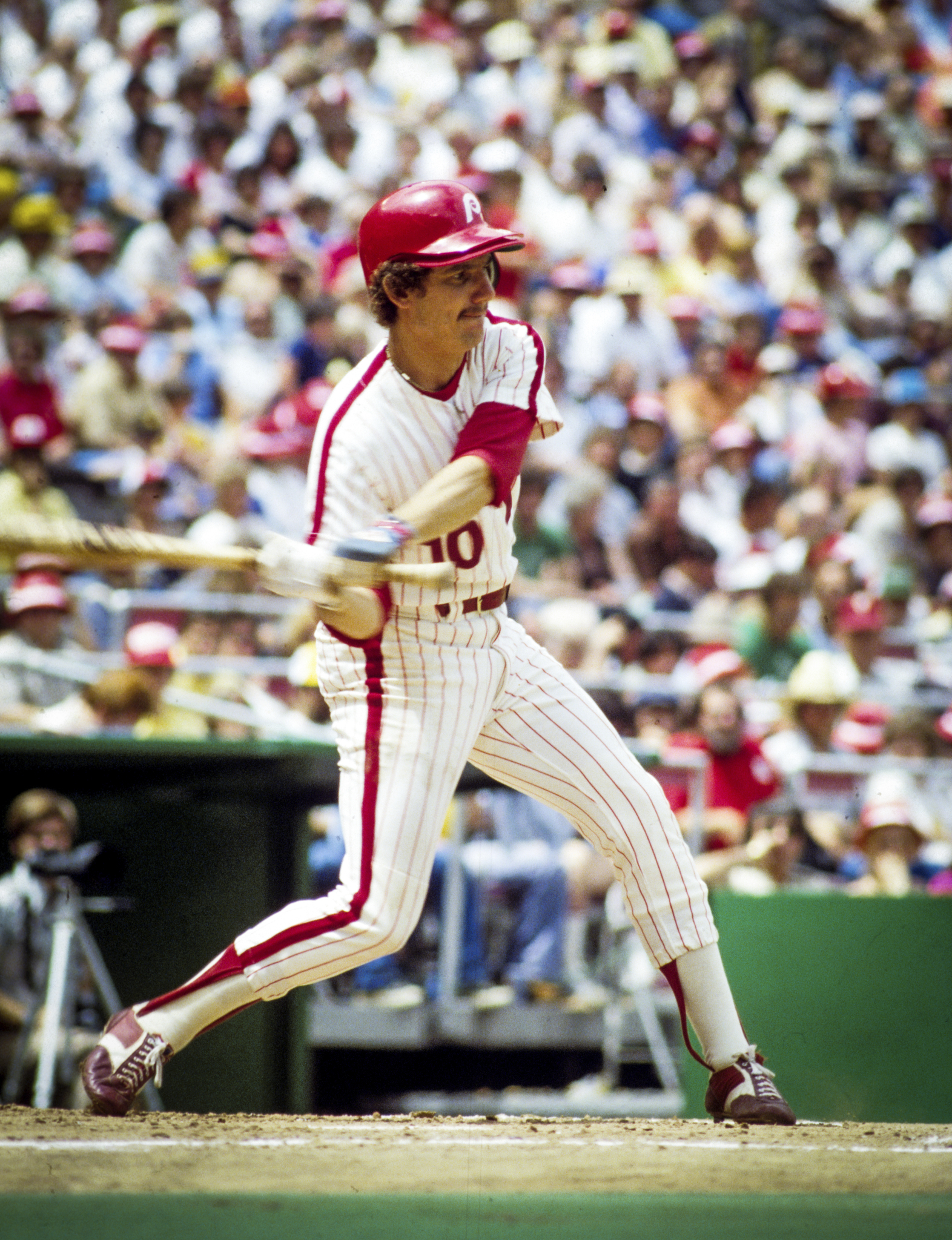
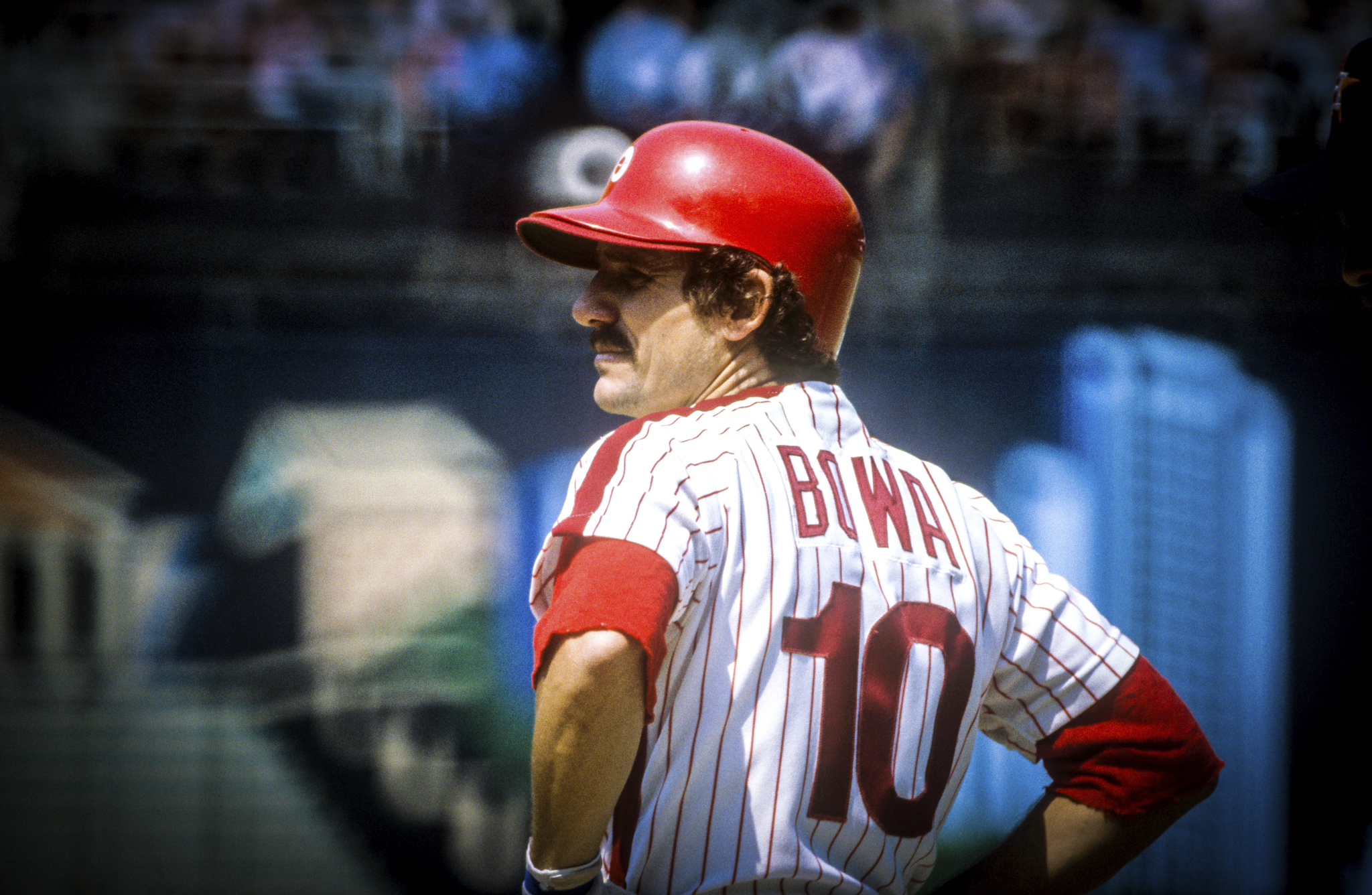
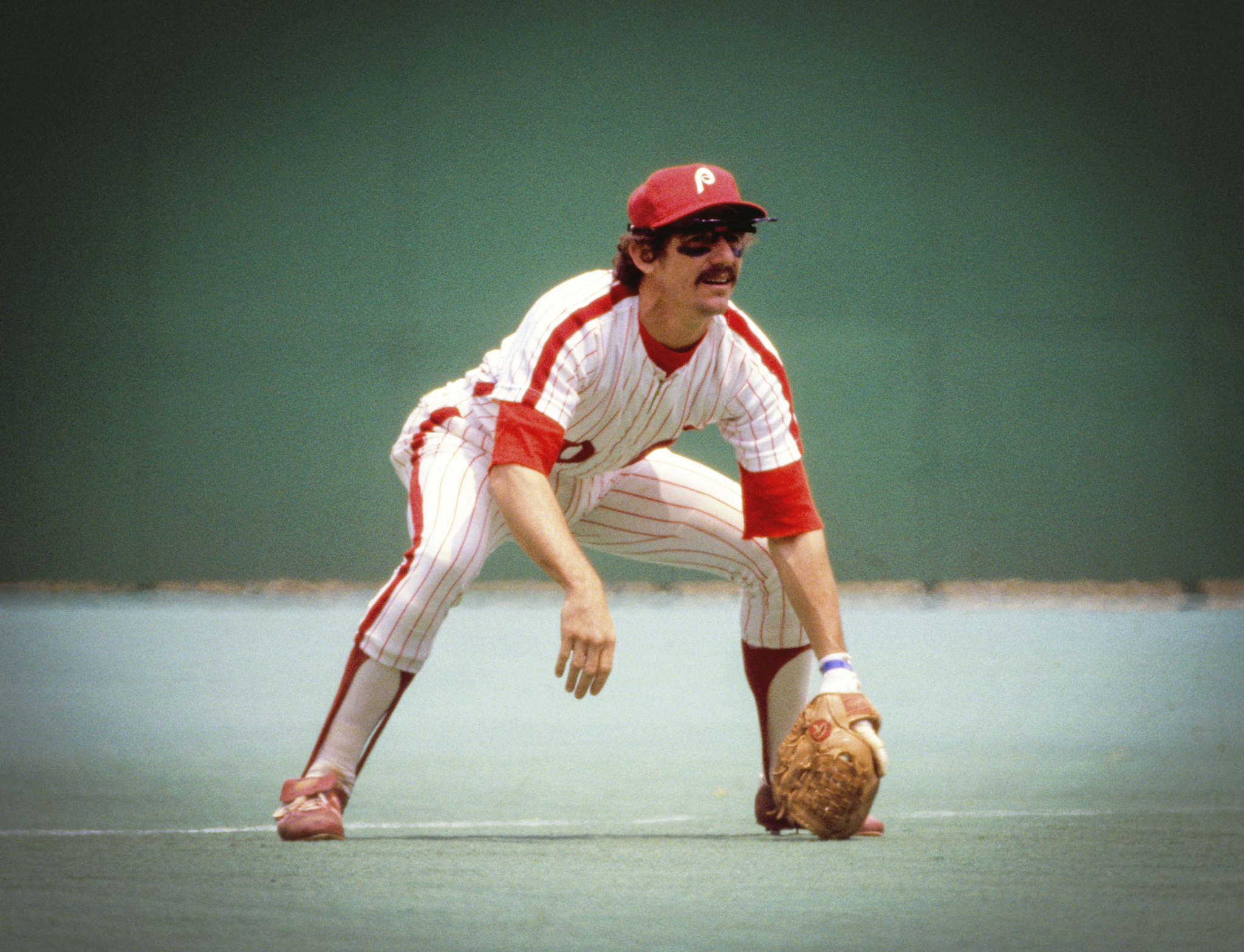
Larry Bowa
Living
Year Inducted:2026
-
It was April 10, 1971, and 55,352 fans poured into Veterans Stadium, the Phillies’ new ballpark. Shortstop Larry Bowa, in just his second year in the majors, recorded the first hit in Veterans Stadium history when he singled in the first inning of the Phillies’ 4–1 victory over the Montreal Expos. He also hit the stadium’s first triple, helping Philadelphia win its home opener.
A native of Sacramento, California, Bowa never made his high school baseball team but went on to play at Sacramento City College. Despite going undrafted, the Phillies saw potential in him and signed the switch-hitter for a $2,000 bonus. After three years in the minor leagues, he earned a spot on the Phillies’ roster in 1970 at the age of 24.
From 1970 to 1981, Bowa provided remarkable consistency and reliability in the Phillies’ infield, helping Philadelphia reach the postseason five times and ending a drought that had lasted a quarter of a century.
In 1976, Bowa enjoyed one of the finest seasons of his career, batting .294 and leading National League shortstops with a .986 fielding percentage. He finished third in National League MVP voting behind Dave Parker and Steve Garvey. He batted .333 in a losing effort in the 1978 NLCS, but played an even greater role in 1980, hitting .316 in the NLCS and .375 in the World Series as the Phillies captured the first championship in franchise history.
Bowa set a Major League record for shortstops with a .991 fielding percentage in 1979. Two years later, however, he was traded to the Chicago Cubs, where his veteran leadership helped guide the club to the postseason in 1984 for the first time in 39 years.
After being released by the Cubs in August 1985, he spent the final month of the season with the New York Mets before retiring as a player.
Just over a year after his playing career ended, Bowa was hired to manage the San Diego Padres. Following a brief stint there, he returned to the Phillies as the team’s third-base coach in 1988 and remained in Philadelphia through the 1996 season.
In 1993, Bowa and John Vukovich became the first two individuals in Phillies history to reach the World Series with the club as both players and coaches.
Bowa then joined the Anaheim Angels as their third-base coach, serving from 1997 to 1999, before spending the 2000 season in the same role with the Seattle Mariners.
In 2000, Bowa was named manager of the Phillies, and in 2001 he was honored as National League Manager of the Year and The Sporting News Manager of the Year. After compiling a 337–308 record with the Phillies from 2001 to 2004, he became the third-base coach of the New York Yankees in 2006, a position he held for two seasons.
Following coaching stints with the Los Angeles Dodgers and a return to the Phillies, Bowa retired from uniformed baseball. He remained with organization and currently serves as Senior Advisor to the General Manager. Along the way, he also spent time as a baseball analyst for ESPN and MLB Network.
Bowa won two Gold Glove Awards and led the National League in fielding percentage six times, then a league record. He retired holding the National League record for career games played at shortstop with 2,222 and ranked among the league’s career leaders in assists and double plays. A career .260 hitter, he collected 2,191 hits, 987 runs scored, 262 doubles, 99 triples, 15 home runs, 525 RBI, and 318 stolen bases.
Through a relentless work ethic and an unwavering determination to win, Larry Bowa overcame the odds to become one of the finest shortstops in Philadelphia Phillies history.
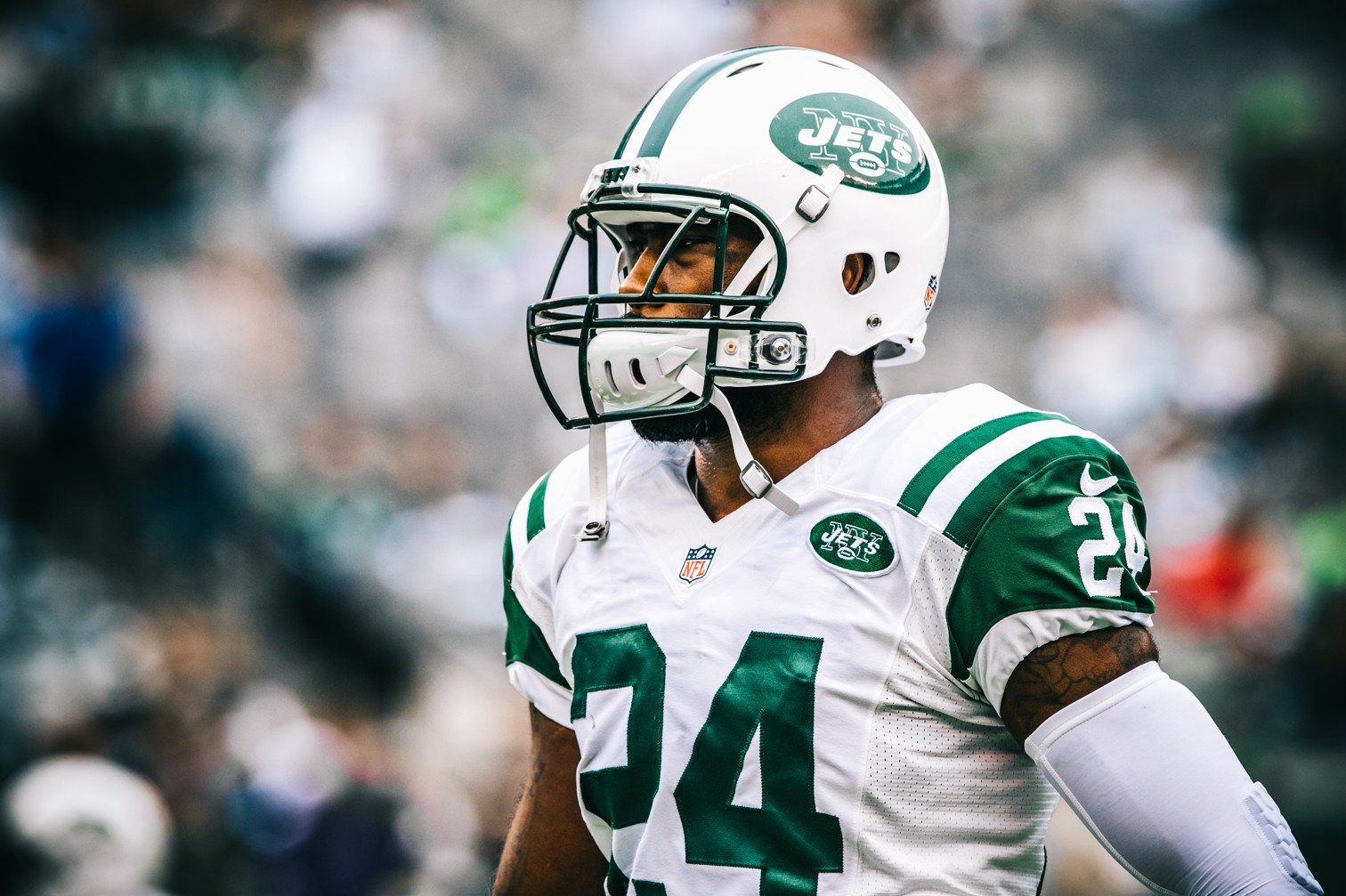
Darrelle Revis
Living
Year Inducted:2026
-
Revis attended Aliquippa High School in Pennsylvania. His High School accolades included Pittsburgh Tribune-Review 2003 Player of the Year, Pittsburg Post-Gazette 2003 WPIAL Class AA Player of the Year, and 2003 Pittsburg Post-Gazette “Fabulous 22”. In the PIAA Class AA State championship football game, he led Aliquippa to a come-from-behind 32-27 win over Northern Lehigh by scoring 5 touchdowns, including 3 rushing touchdowns, a punt return and the return of a blocked Northern Lehigh field goal attempt. He also completed a 39-yard pass, had a reception, and an interception in the game.
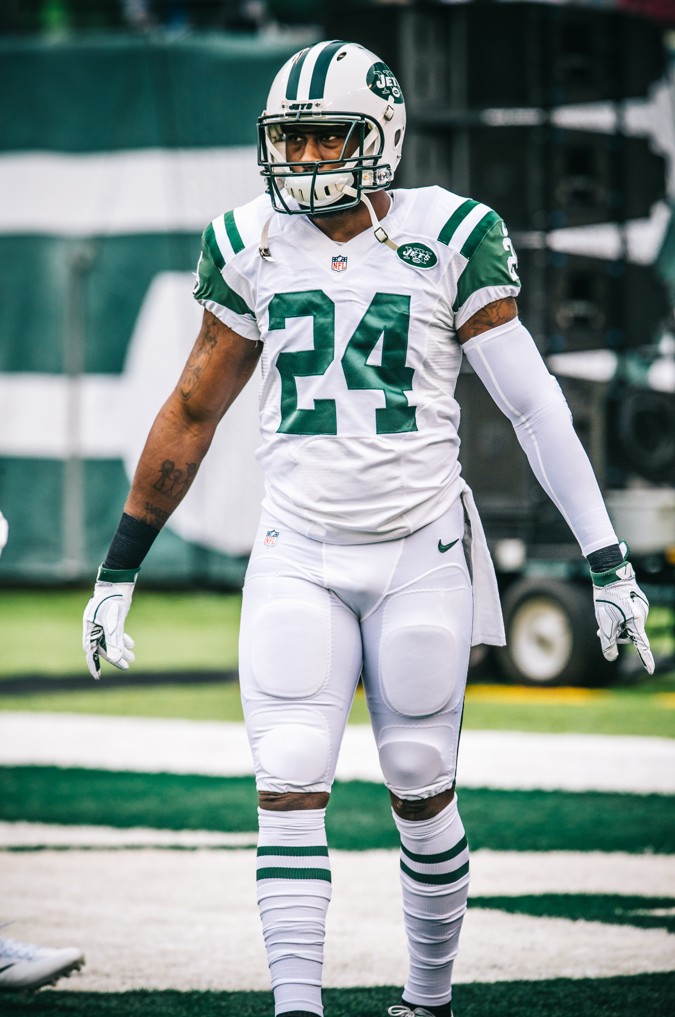
A cornerback out of Pitt, Revis was selected by the New York Jets as the 14th player overall in 2007 NFL Draft. During his 11-year career, he played 145 regular-season games for the NY Jets, Tampa Bay Buccaneers, New England Patriots and Kansas City Chiefs.
Revis made an immediate impact on the Jets and earned a spot on the PFWA All-Rookie Team.
A Super Bowl champion, Revis helped the New England Patriots to a 28-24 victory over the Seattle Seahawks in Super Bowl XLIX.
Revis’ career stats include 496 tackles, 29 interceptions for 466 yards and 3 touchdowns, 139 passes defended, four forced fumbles and 12 fumble recoveries. During the 2011 season, Revis made his longest interception return with a 100-yard return against the Miami Dolphins, setting a franchise record.
His season-high for pass interceptions (six) came in 2009 and included one returned for a touchdown. His efforts as a lockdown cornerback- he finished with the year with an NFL record 31 passes defensed- helped the Jets to a 9-7 record and a playoff berth with the league’s top-ranked defense against the pass and league-bests in overall yardage surrendered and points allowed. That season, Revis finished second in voting for the AP Defensive Player of the Year Award.
A four-time first-team All-Pro (2009-2011,2014), Revis also earned seven Pro Bowl nods (2008-2011,2013-15) and was named to the NFL’s All-Decade Team of the 2010s. He was inducted into the New York Jets Ring of Honor in 2022.
Marc Jackson
Living
Year Inducted:2026
-
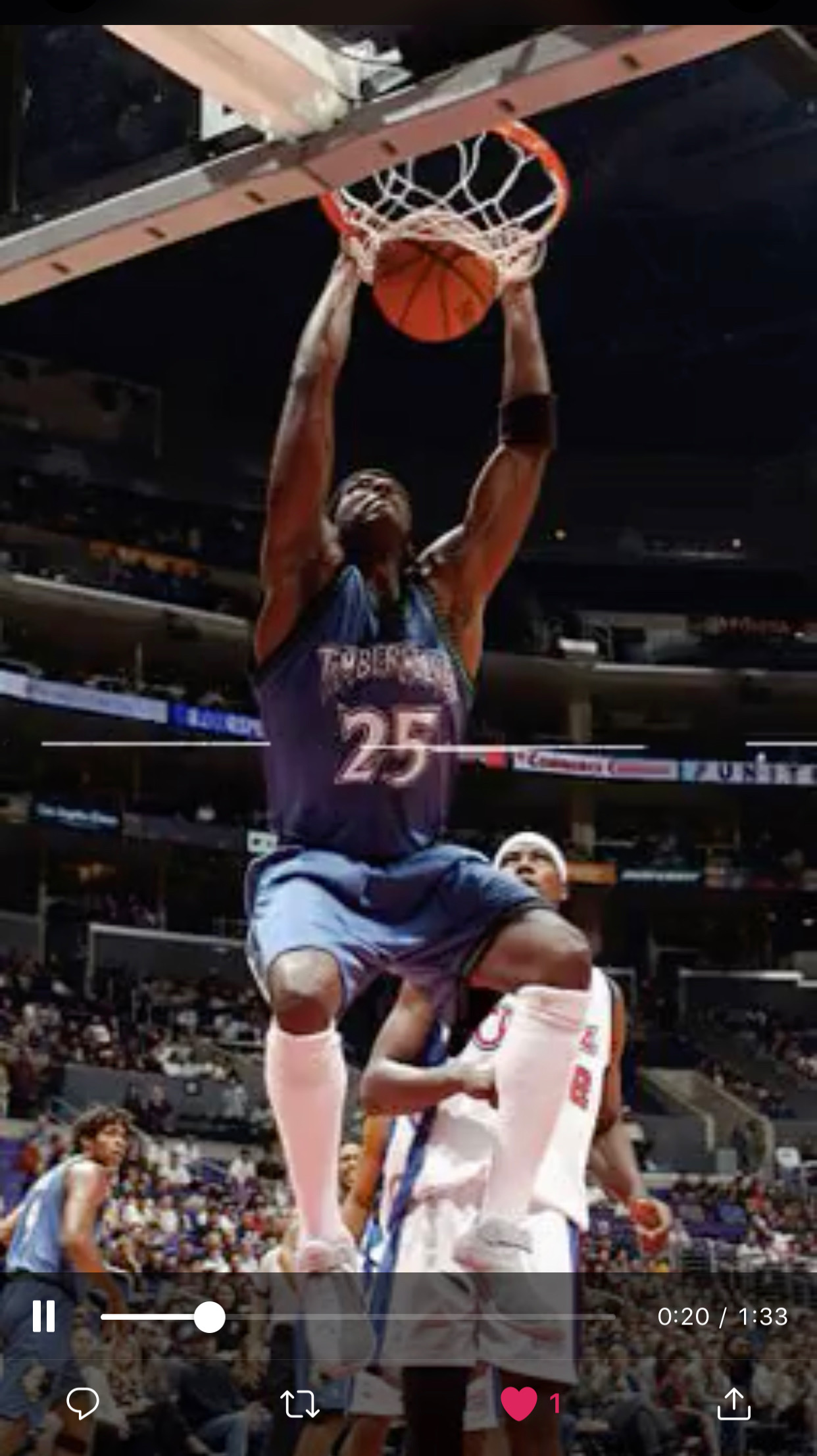
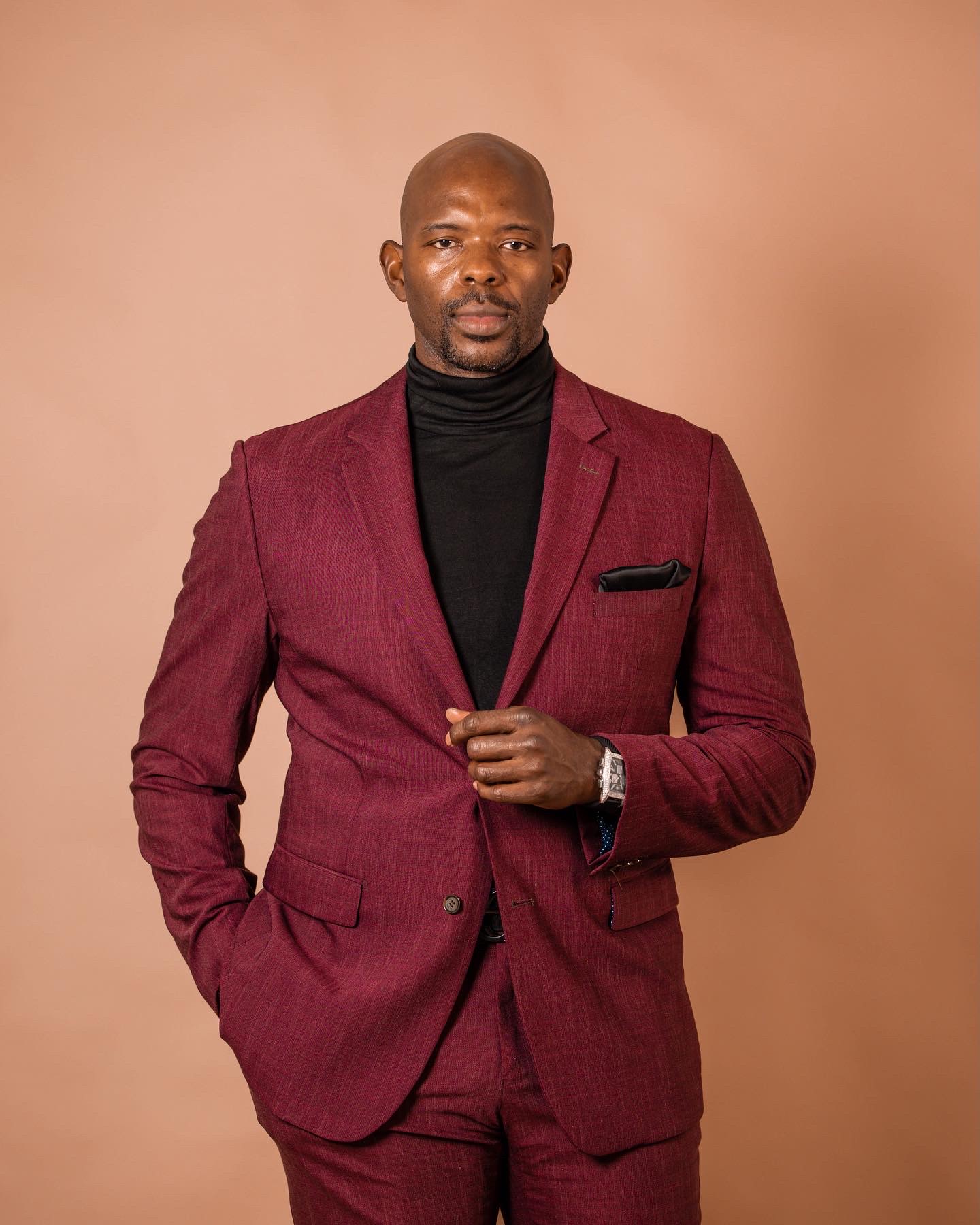
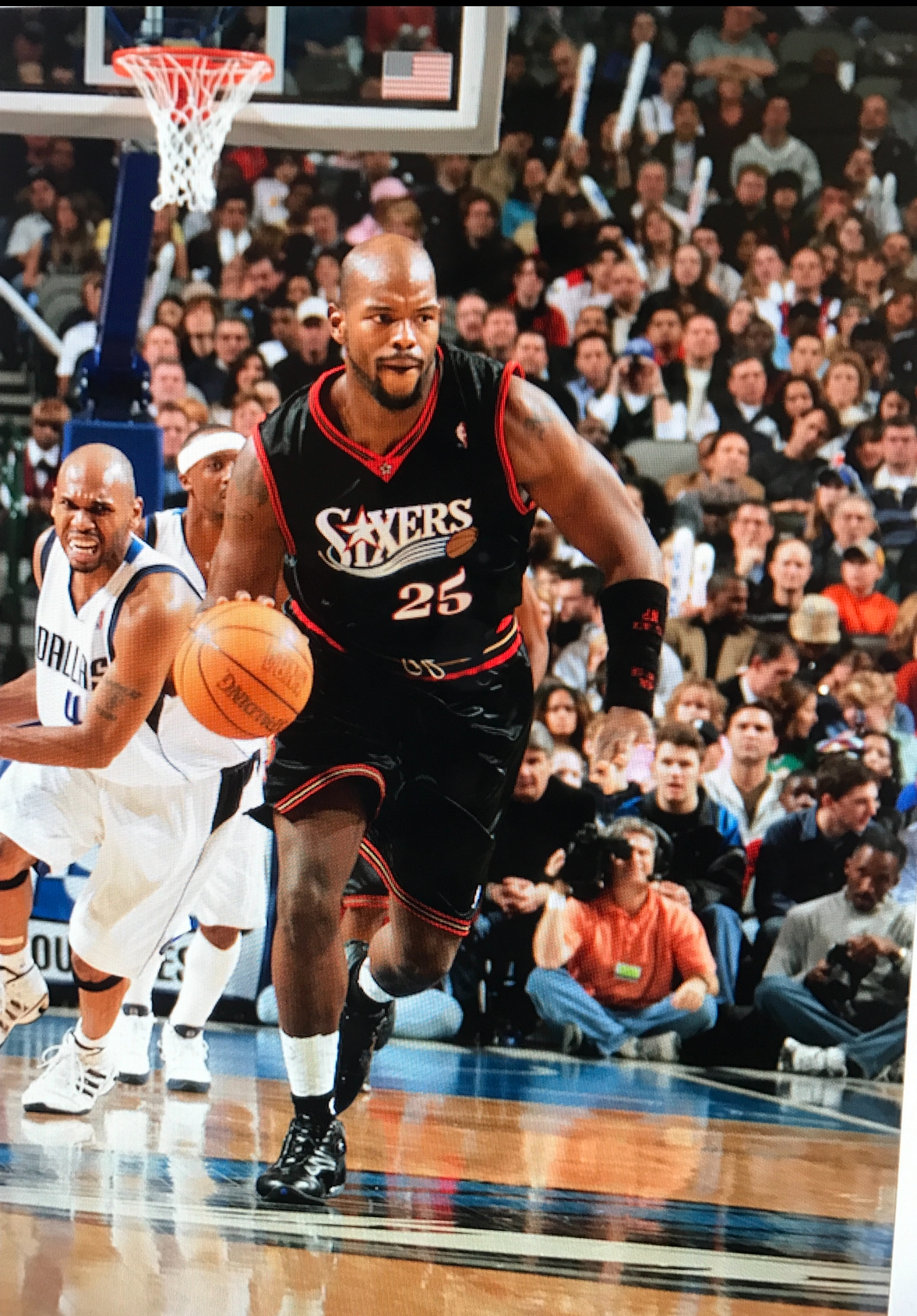
Marc Jackson is a former NBA player who is deeply rooted in the Philadelphia basketball tradition. A proud alumnus of Roman Catholic High School, he surged onto the national scene as a standout player, eventually continuing his career at Temple University. Jackson played in the NBA from 1997 to 2006, including a notable stint with the Philadelphia 76ers. Jackson played for several teams, including the Philadelphia 76ers, Golden State Warriors, Minnesota Timberwolves, and New Jersey Nets, earning a reputation for his toughness, rebounding, and scoring in the paint.
After his playing days, he transitioned to broadcasting, bringing his insight and love for the game to fans as a game analyst for the 76ers. Marc's journey from Roman Catholic to the NBA and now the broadcast booth, continues to inspire generations of athletes and fans. Today, he continues to inspire fans and athlete alike, using his deep knowledge of the game and his personal journey - from high school star to NBA veteran- to enrich every broadcast and every audience he reaches.
Kelsey Kolojejchick
Living
Year Inducted:2026
-
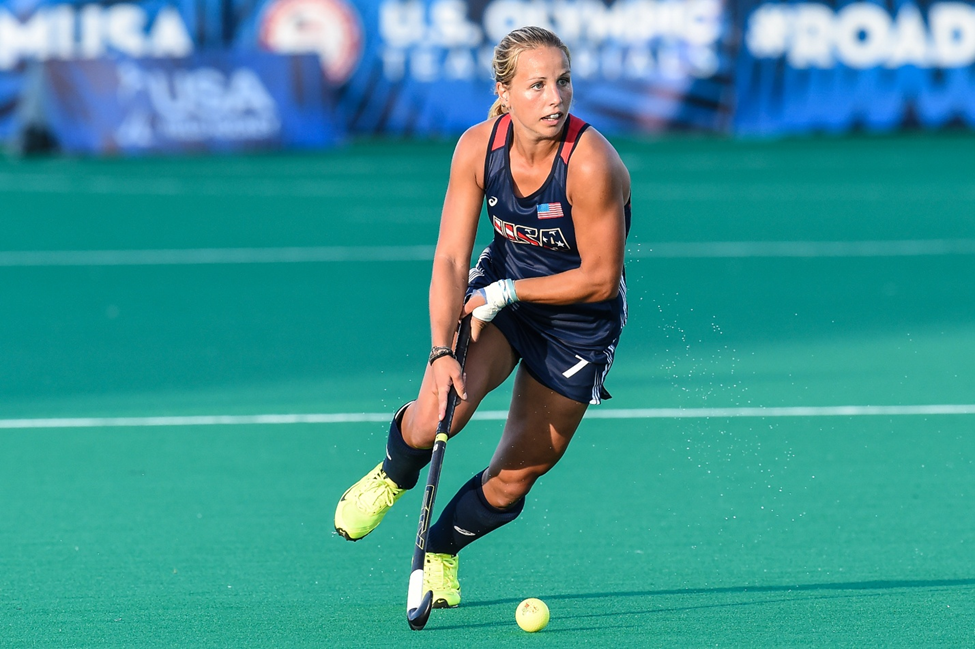
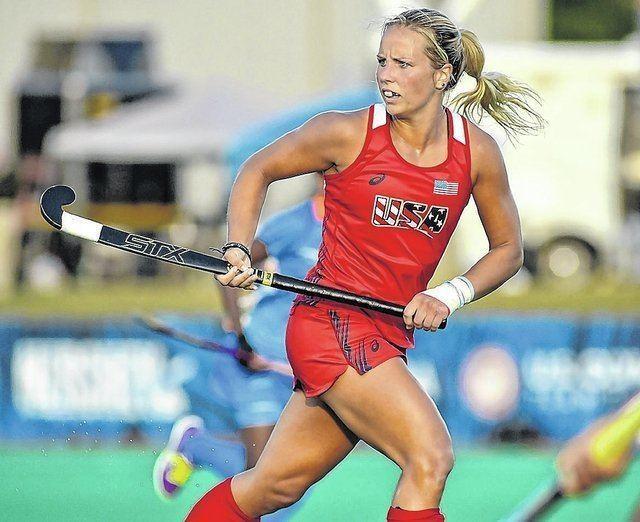
Kelsey Kolojejchick established herself as one of the most accomplished field hockey players in United States history, excelling at every level of the game. A standout at Wyoming Seminary, she was a four-time First Team All-State and All-American selection and helped lead the school to two PIAA State Championships, including an undefeated 24–0 season. At the University of North Carolina, she was a four-year starter and key contributor to the 2009 NCAA National Championship team. During her career, she earned multiple national honors, including ACC Freshman of the Year, ACC Offensive Player of the Year, and four First Team All-America selections, while ranking among the program’s all-time leaders in goals, assists, and points.
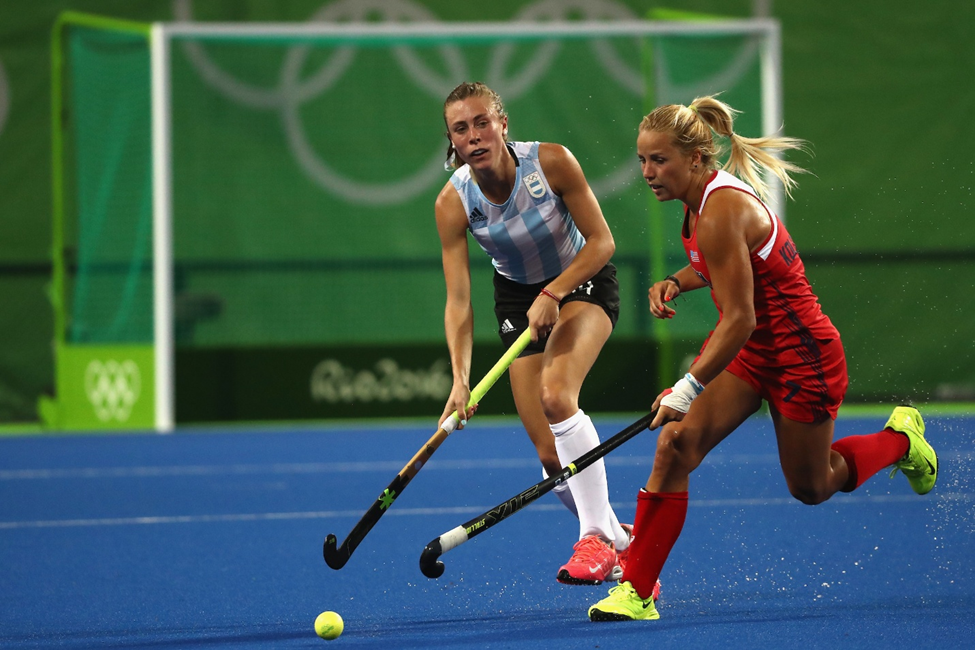
On the international stage, Kelsey earned 104 caps with the U.S. Women’s National Team and competed in the 2016 Olympic Games in Rio de Janeiro, helping lead the U.S. to a fifth-place finish, its highest since 2000. She was a key contributor to multiple medal-winning international teams, including gold at the Pan American Games, Champions Challenge, and World League. Following her playing career, she transitioned into coaching at Syracuse University and Harvard University before being named Head Field Hockey Coach at Bucknell University in 2022. She has been inducted into both the Wyoming Seminary Sports Hall of Fame and the Luzerne County Sports Hall of Fame.
Joe Crawford
Living
Year Inducted:2026
-
On May 19, 2009, the Staple Center was sold out for a game between the Lakers and the visiting Phoenix Suns. Those 18,997 fans got the opportunity to see the Lakers with Kobe Bryant, beat Grant Hill and Steve Nash of the Suns, 124-112.
The three officials who worked that game all had something in common, not only were they from Delaware County, Pennsylvania, but they all attended the same high school, Cardinal O’Hara. Those referees were: Mike Callahan, Ed Malloy and Joe Crawford.
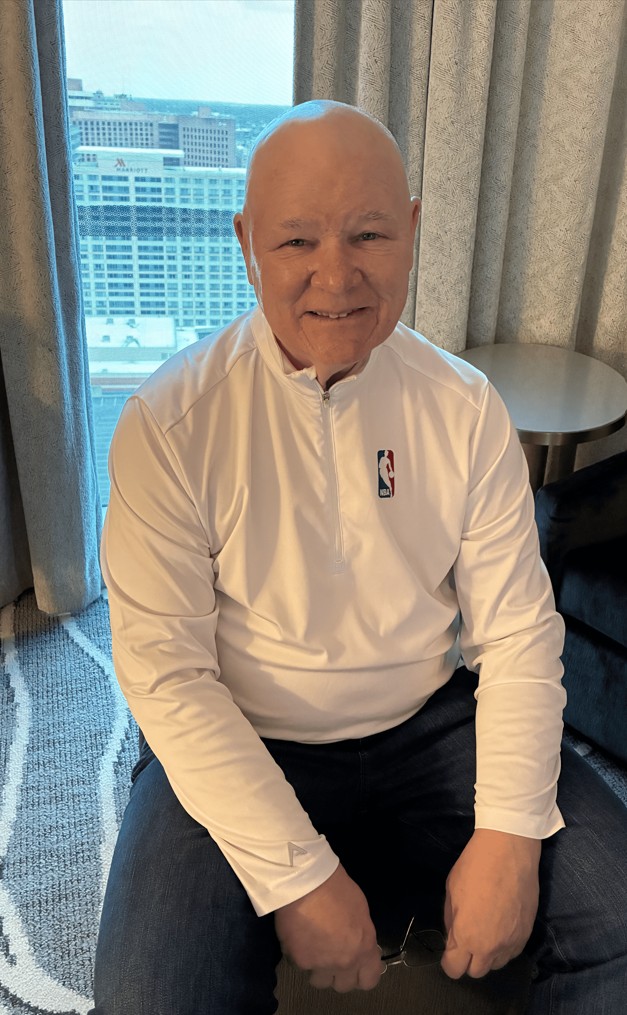
Joe Crawford, whose father, Shag, was a major league umpire, as was his brother Jerry, started officiating grad school Catholic Youth Organization (CYO) games and recreational leagues at the age of eighteen. He built himself quite a reputation throughout the Philadelphia area.
Crawford worked his way up to Philadelphia Public and Catholic playoff and championship games, the pinnacle of success for an aspiring official from the area. He then graduated to officiating in the Eastern Basketball League and Continental League before he was hired by the NBA in 1977 at the age of 26.
By his fifth season in the NBA, Crawford was receiving playoff assignments. He had learned from the best of the best, like Joe Gushue, Earl Strom and Darrell Garretson. Over his illustrious 39-year career, he became one of the NBA’s most respected game managers through an era of the league’s resurgence.
Crawford is one of only eight NBA referees to work over 2,000 regular season games, ending with 2,556. He officiated 374 playoff games, the most of any NBA referee. In addition, he worked 50 NBA Finals games, again, the most of any NBA referee, including three game sevens in 1994, 2005 and 2010. This was an example of how highly regarded his skills were because there have only been five NBA Finals in the last 31 years that went to a decisive Gane 7, and Crawford was selected to work in three of them.
He officiated three All-Star Games: Dallas in 1986, Orlando in 1992 and Oakland in 2000; while also working the McDonald’s Championship in Munich, Germany in 1993.
When he became a crew chief, a role he served in for the majority of his career, he took advantage of the opportunity to influence young referees in the same way that he was mentored. From 1996 to 2016, Crawford and other Philadelphia area NBA referees ran Next Level Referees Training in conjunction with the men’s basketball team camp at Villanova University.
Upon his retirement from officiating in 2016, Crawford was offered a position with NBA Referee Operations as their Referee Development Performance Director to continue with his desire to mentor and develop young officials.
Crawford has also been involved in promoting women’s basketball since the late 1980’s, especially with the Comets, a nationally recognized AAU organization. He mentors local high school referees, attending their games and breaking down tape in his basement.
In describing Crawford, John Gabriel may have said it best, when he wrote, “Joe Crawford found a way to package his humble swagger and fierce spirit into a small, stocky frame and establish a career as an NBA referee that is likely not to be seen again.”
Benjamin W. Johnson
Deceased
Year Inducted:2026
-
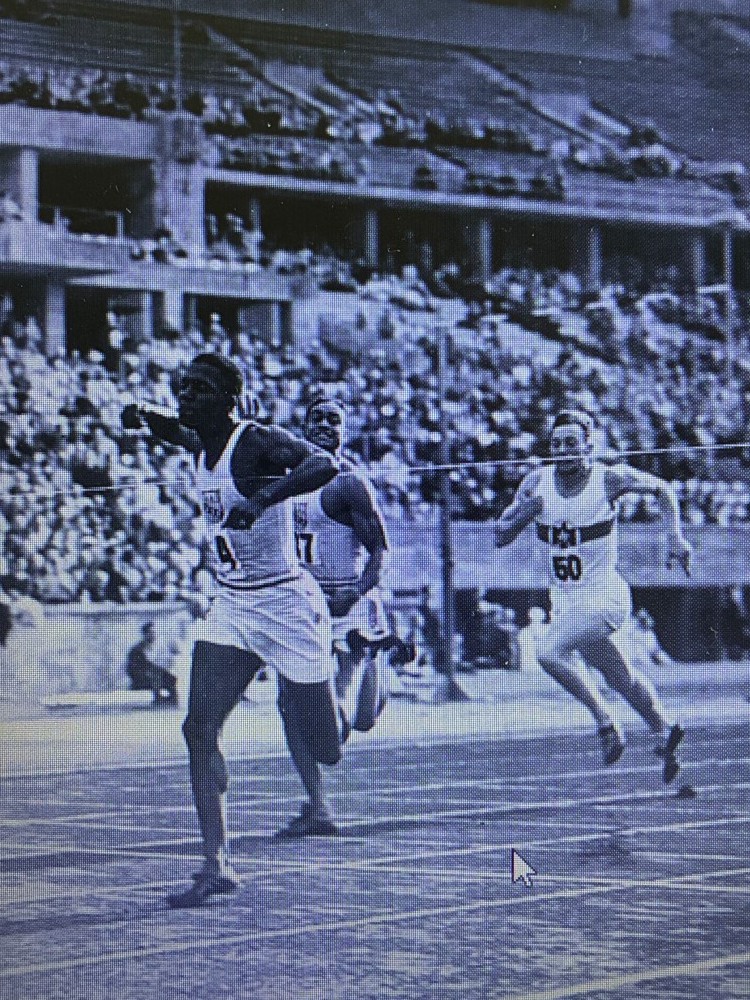
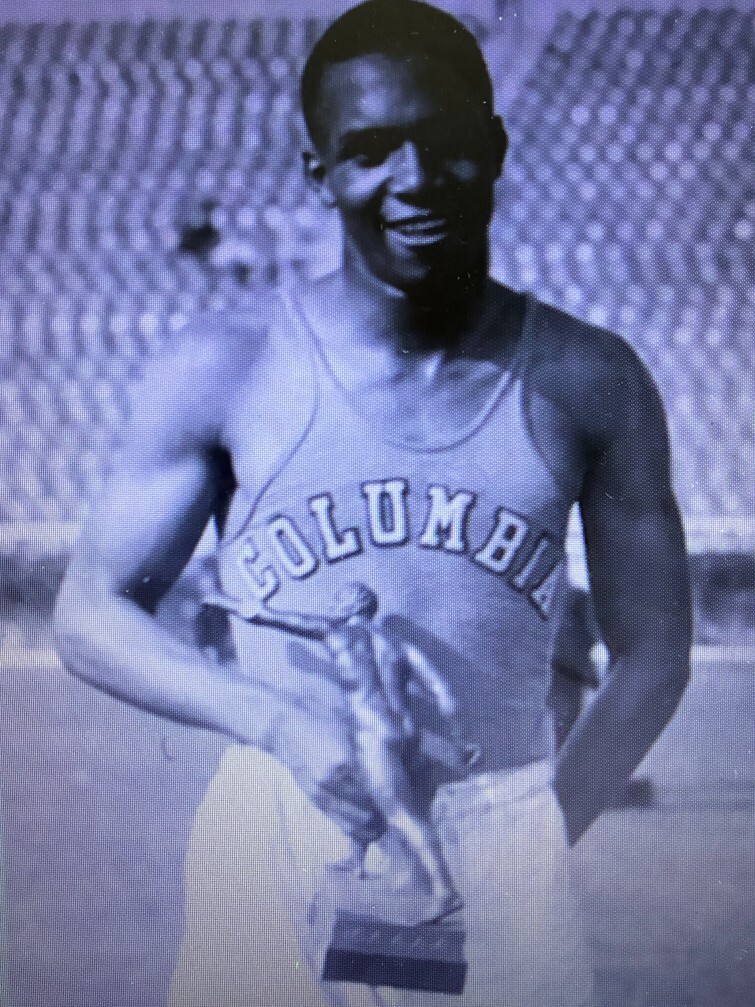
Benjamin W. Johnson, “the world’s fastest human”. That was the title bestowed upon him by a panel of eight sports writers after he broke the 60-yard dash record which he shared with Jesse Owens in the Millrose Games in 1938. At that meet, before 17,000 fans, Johnson broke the 60-yard dash record twice more. His times in the event in that meet were 6.2, 6.1, and 6.0. One timer clocked him at 5.9 but that time was dismissed because no one believed a human could run that fast.
He began his career in track and field at Plymouth High School in 1930. In 1932, as a junior, he broke the PA state records in the 100-yard dash (9.8 sec.) and the 220-yard race (21.14 sec.). He also won the state long jump title. His family was not wealthy and when he was accepted to Columbia University, the people of Plymouth took up a collection to pay for tuition.
In 1934 as a freshman at Columbia University, the “Columbia Comet” beat the 100-yard world record holder Ralph Metcalfe for the National Indoor AAU 60-meter semifinal at the Penn Relays. The next year (1935), at that meet, he won again, beating Metcalfe, Eulace Peacock and Jesse Owens in the 60-meter championship, tying Owens’ then world record of 6.6 seconds.
Johnson was injured before the 1936 Olympic trials, thus leaving Jesse Owens to write history. After recovering in 1937, he won the AAU, IC4A, and NCAA 220 championships. In the IC4A meet, he was the first athlete of the 20th century to win three events, winning the 100, 220, and the broad jump. The following season in Europe he won 11-12 races, breaking the world record in the 100 meters twice at (10.2 sec.).
Ben Johnson was the FIRST Black Athlete from Columbia University to win a National Title. In 1938, he was the Captain of the Columbia University Track and Field team.
Johnson enlisted in the US Army in 1942 to fight in WWII. He retired in the 1950’s gaining attention as one of the nations’ first Black Colonels. He attained his Master’s Degree, and took the position of Pennsylvania Director of Public Welfare.
Ben Johnson died on December 17, 1992 and is buried in Arlington National Cemetery. He used his voice to fight for social justice. He was inducted into the Inaugural Class of Luzerne County Sports Hall of Fame in 1985, and the Inaugural Class of the Columbia Athletics Hall of Fame in 2006.
Thomas R. Shirley
Living
Year Inducted:2026

-
Tom Shirley has built an exceptional legacy of leadership, service, and achievement in collegiate athletics, higher education, and community engagement. In recognition of his professional impact, Tom was awarded an Honorary Doctorate from Thomas Jefferson University, where he was also selected as the 2025 commencement speaker. He was elected to the Pennsylvania Sports Hall of Fame Class of 2025 and received the 2025 Legacy Award from DeSales University, honoring the accomplishments of distinguished alumni. His many honors also include the 2024 Collegiate Coach of the Year from the Philadelphia Coaches Conference and Philadelphia Sports Digest, a Lifetime Achievement Award from the Philadelphia Sportswriters Association, and a nomination for the NCAA 50th Gold Award. Earlier in his career, Tom was recognized as the CACC Athletic Director of the Year and received the NACDA Northeast Athletic Director of the Year Award, reflecting his sustained influence in collegiate athletics administration.
Tom’s leadership extended well beyond the sidelines through decades of service in key governance and administrative roles. He served as Vice President of the Central Atlantic Collegiate Conference from 2016 to 2024 and chaired its Championship Committee during multiple terms, following his earlier tenure as Conference President from 2006 to 2010. He was deeply involved with NCAA Division II governance, serving on numerous committees including the Championships Committee, Regional Selection Committees across multiple sports, the Membership Committee, and the Women’s Basketball Rules Committee. He also contributed nationally through the WBCA/NCAA Top 25 selection and ranking process. In addition to his athletic administration work, Tom served on the Board of Trustees for New Foundations Charter School beginning in 2011, participated in the NCAA Women and Minorities Mentoring Program, and taught as an adjunct professor at Gwynedd Mercy College. His broader leadership also included founding the Atlantic Soccer Conference and serving on community boards such as the Conshohocken Fellowship House, including time as its president.
As a coach, Tom compiled one of the most accomplished records in women’s basketball history, finishing his career with 905 wins and 386 losses over 43 seasons. At Thomas Jefferson University and DeSales University, his teams produced consistent success, including 33 seasons of 20 or more wins and multiple 30-win campaigns. He ranks among the winningest coaches in NCAA Division II history and in NCAA women’s basketball overall, with multiple CACC Coach of the Year honors and national recognition as Coach of the Year from the American Women’s Sports Federation. His programs also demonstrated exceptional academic performance, with a 98.6% graduation rate among recruited student-athletes and a high percentage of graduates earning advanced degrees. Over his career, Tom coached eight All-Americans and five 2,000-point scorers.
His contributions have been widely recognized through numerous hall of fame inductions and institutional honors, including the Pennsylvania Sports Hall of Fame, Philadelphia University Hall of Fame, DeSales University Hall of Fame, Montgomery County Coaches Hall of Fame, and several others. He has also received distinguished alumni awards and community service honors from multiple institutions. A long-standing member of the Women’s Basketball Coaches Association since 1984, Tom’s career reflects a lifelong commitment to excellence in coaching, leadership, and the development of student-athletes on and off the court.
Mike Bantom
Living
Year Inducted:2026
-
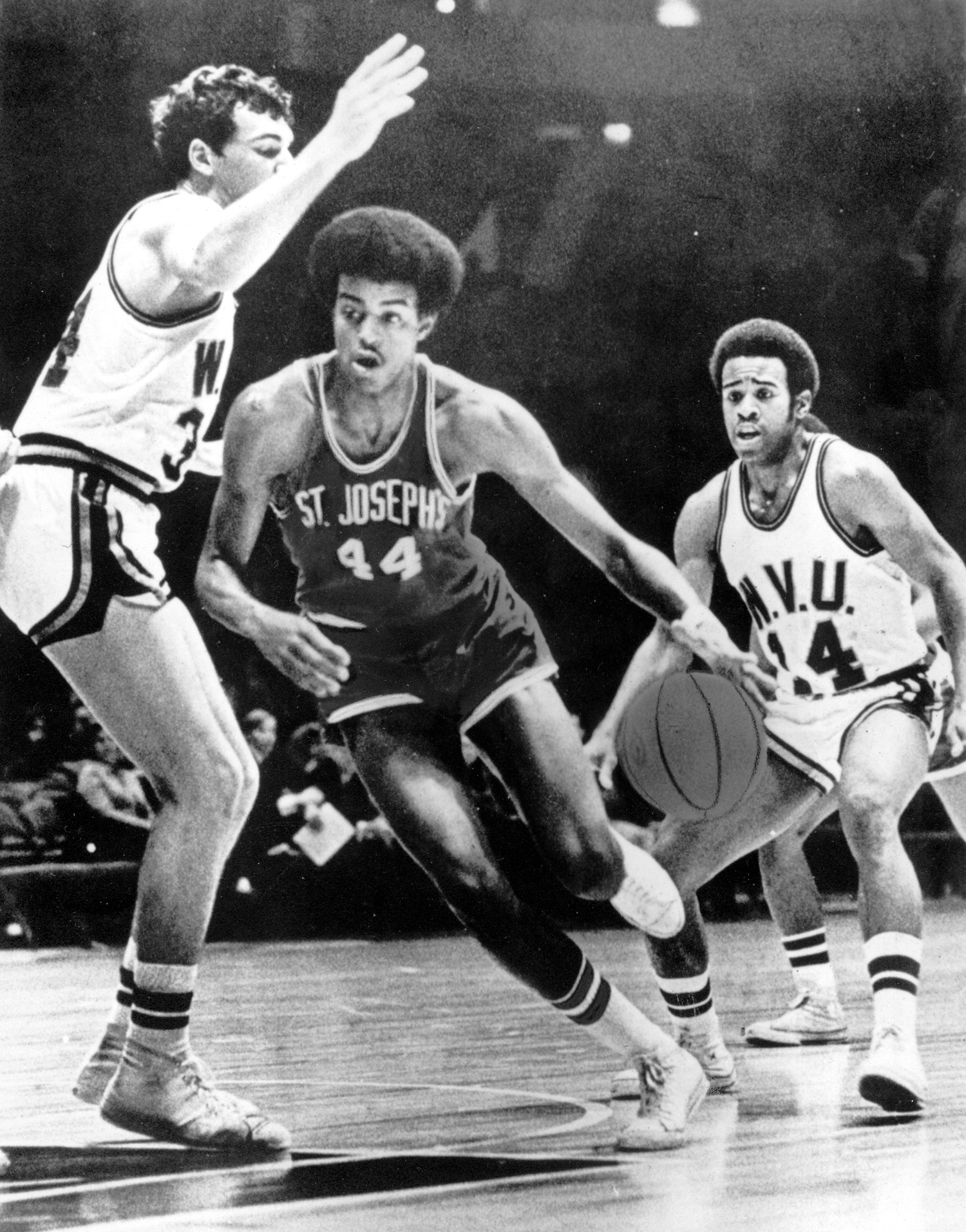
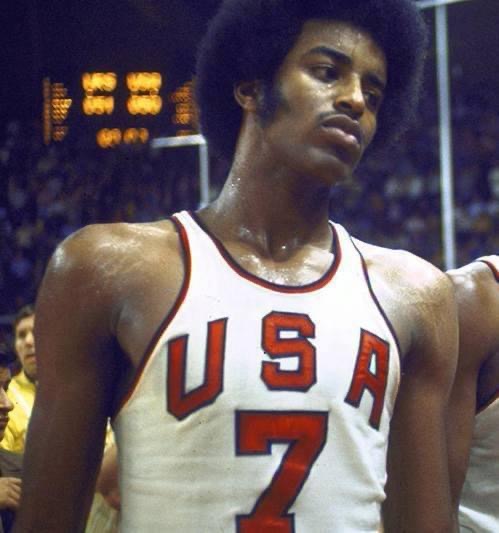
Mike Bantom (born December 3, 1951) is a distinguished former professional basketball player and accomplished NBA executive whose career reflects excellence at every level of the game.
A 6’9” forward at St. Joseph’s University, Bantom earned All-America honors as a senior and was a two-time All-Big 5 selection. He was later recognized as one of the conference’s all-time greats with his selection to the Atlantic 10 40th Anniversary Team in 2016. Prior to his collegiate success, he was a key member of Hall of Fame coach Bill “Speedy” Morris’s first championship team at Roman Catholic High School in 1969, establishing himself early as a foundational player on a winning program. Bantom went on to represent the United States as a member of the 1972 Olympic men’s basketball team, earning a silver medal in one of the most controversial finishes in Olympic history. In recognition of his outstanding achievements, his jersey number has been retired by both Roman Catholic High School and St. Joseph’s University.
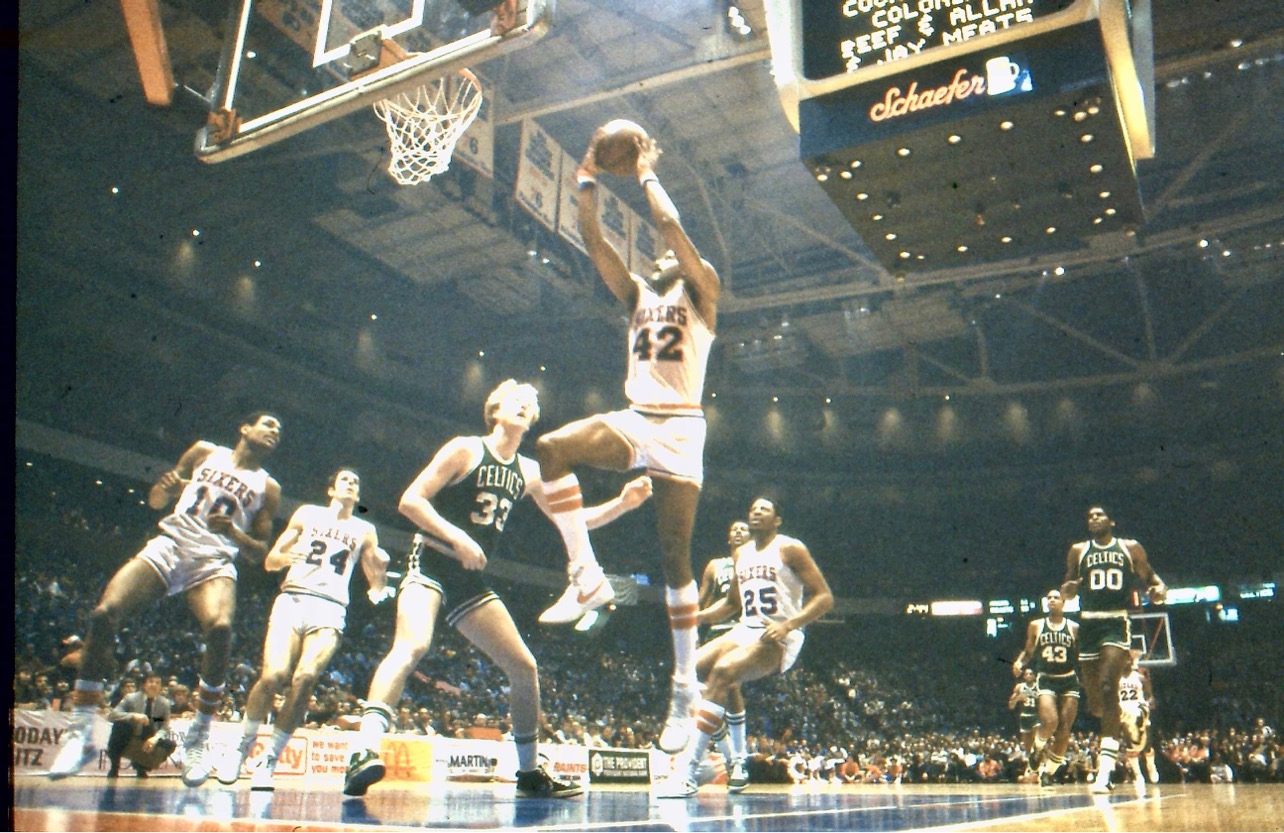
Selected eighth overall in the 1973 NBA Draft by the Phoenix Suns, Bantom enjoyed a nine-year NBA career with the Suns, Seattle SuperSonics, New York Nets, Indiana Pacers, and Philadelphia 76ers. He was named to the NBA All-Rookie Team and compiled more than 8,500 points, 4,500 rebounds, and 1,600 assists. He later extended his professional career in Italy from 1982 to 1989.
Following his playing career, Bantom transitioned to a highly influential role with the NBA, where he spent nearly four decades helping shape the league’s global growth and player development initiatives. He served in multiple senior leadership roles, including Executive Vice President of Referee Operations and Executive Vice President of League Operations and Head of Basketball Development, contributing to the development of programs such as the Rookie Transition Program, NBA Academies, and international grassroots initiatives.
Since retiring from the NBA in 2020, Bantom has remained active in business and civic leadership. He has served on numerous nonprofit and educational boards in Philadelphia, including his alma mater, St. Joseph’s University, and joined the Board of Trustees of the National Basketball Retired Players Association in 2023.
Chris Snee
Year Inducted:2026
-
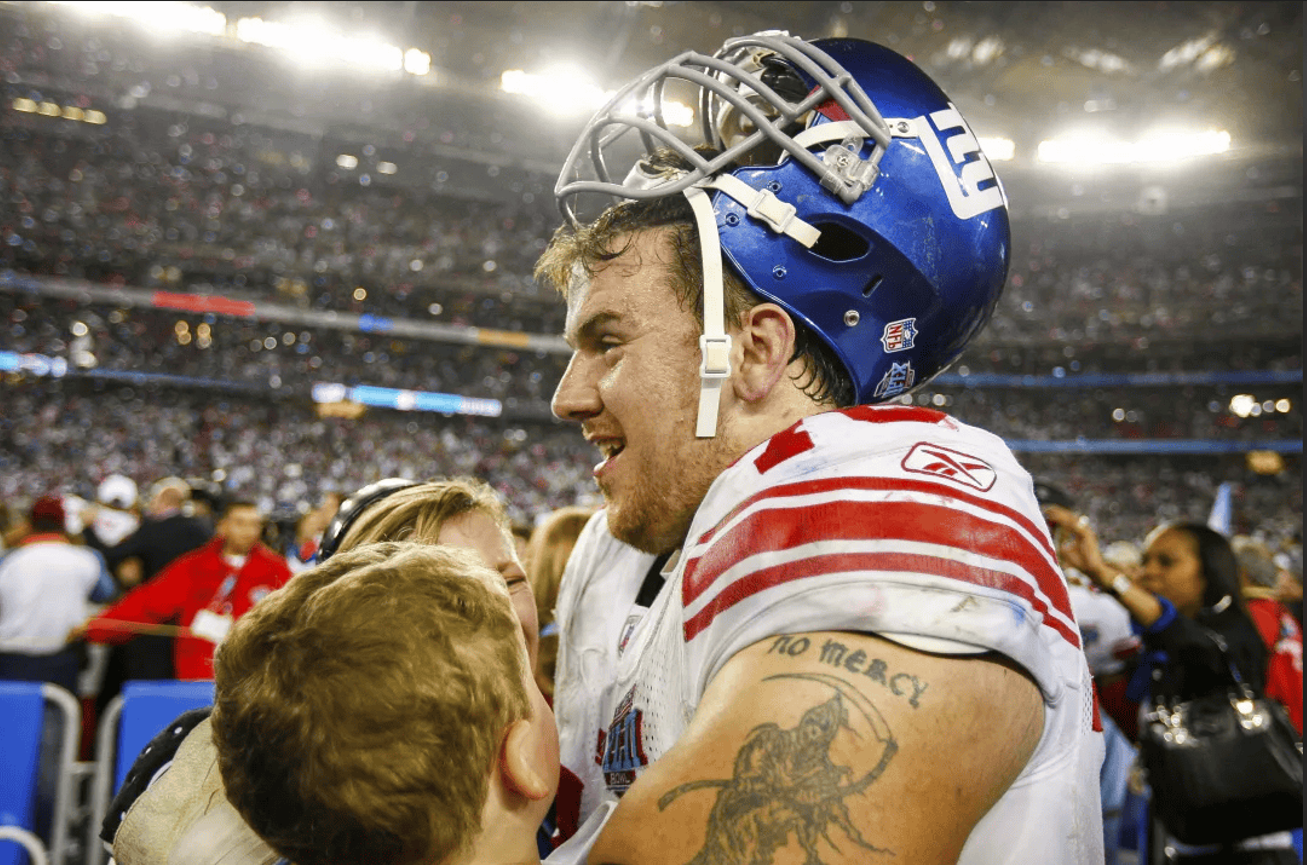
Chris was a two-time All-State and a three-time All-Conference selection while at Montrose High School. He was named Regional Defensive Player-of-the Year in 1999.
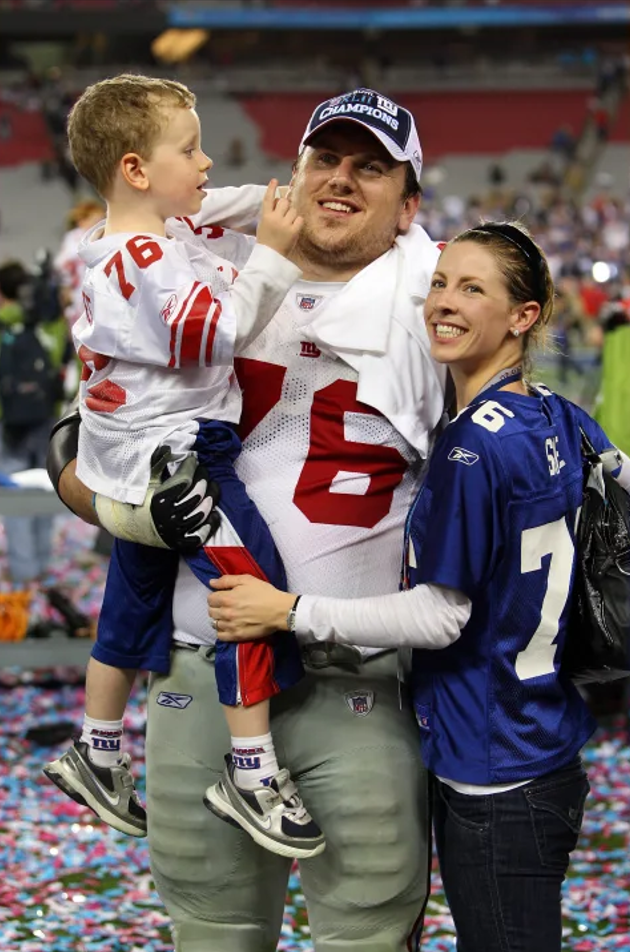
Chris is believed to be the first NFL player ever to grow up in Susquehanna County. He attended Boston College where he was a second-team All-American and an All-Big East Conference first-team choice. Chris was chosen by the New York Giants in the 2d round (34th overall) of the 2004 NFL Draft. He won two Super Bowls with the Giants and was a four-time Pro Bowl selection at right guard.
During his career, Chris was recognized with one First-team and two Second-team All-Pro selections. He retired from the NFL in 2014 and is currently scouting for the New York Giants. His beautiful family includes spouse Kate, and children Dylan, Cooper, Walker, and Hartley
Willie Thrower
Deceased
Year Inducted:2026
-
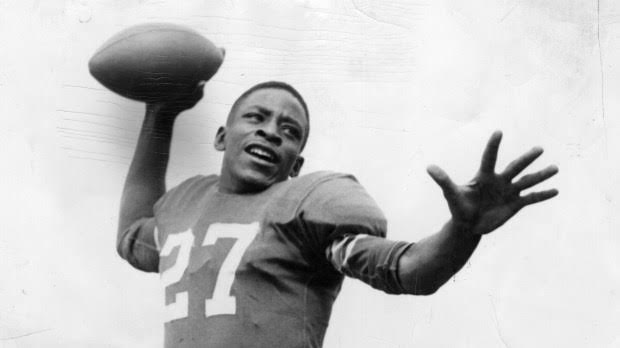
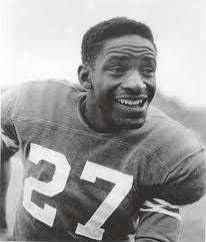
In 1979, Thrower was elected to the Westmoreland County Sports Hall of Fame. In 1981, he was inducted into AK Valley Hall of Fame. In 2011, he was inducted into the WPIAL Hall of Fame.
Being the first African-American quarterback in the NFL, in 2002 Thrower told The Valley News Dispatch of Tarentum, Pa, "I look at it like this: I was like the Jackie Robinson of football. A black quarterback was unheard of before I hit the pros."
In 2006, a statue of Thrower was erected near Valley High School in New Kensington to honor his accomplishments. The statue was unveiled during a Valley High School football game in September attended by Pittsburgh Steelers owner Dan Rooney as well as Thrower's family.
Willie Thrower was also mentioned by former NFL quarterback Warren Moon in his Pro Football Hall of Fame acceptance speech. Moon thanked Thrower, among others, for giving him inspiration during a time when few African-Americans played the quarterback position in the NFL.
In 2003, the Willie Thrower Historical Marker was erected on the road that runs past the high school Thrower attended in New Kensington.
In 2021, the Willie Thrower Award Foundation debuted an award for the top quarterback in the WPIAL and City League by honoring a top quarterback from the 2020 season. The award is a replica of the statue of Thrower.
October 12, 2023 has been designated Willie Thrower Community Day in New Kensington, as part of a four-day celebration of the 70th anniversary of Thrower's play for the Chicago Bears.
Nancy Stevens
Living
Year Inducted:2026
-
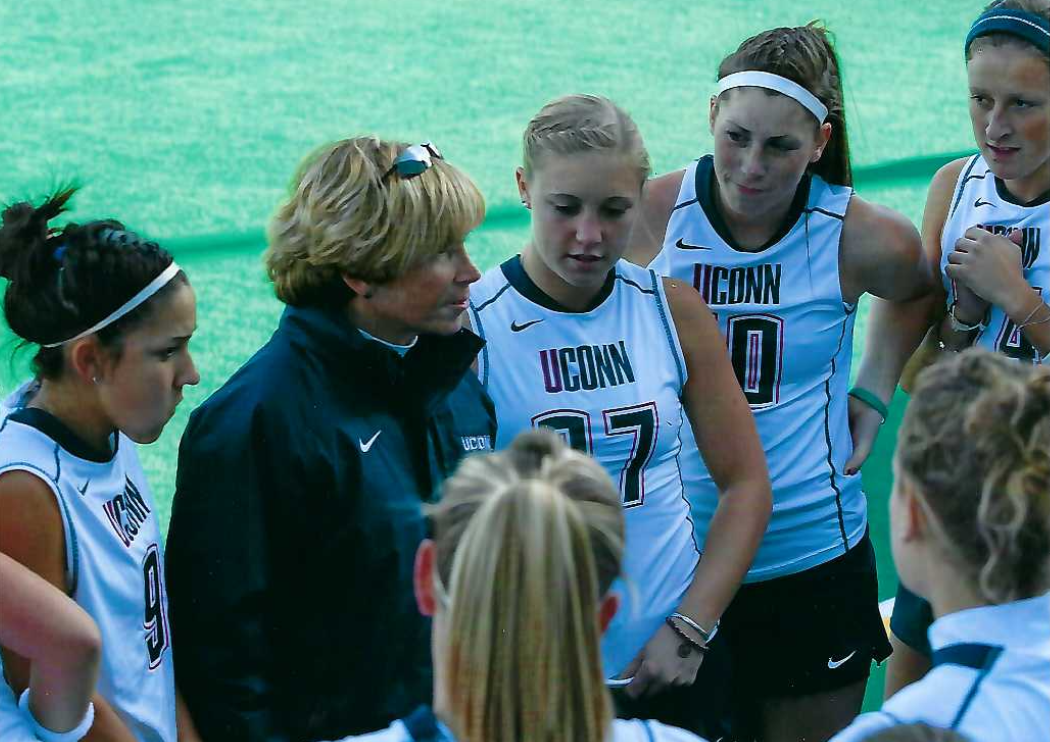
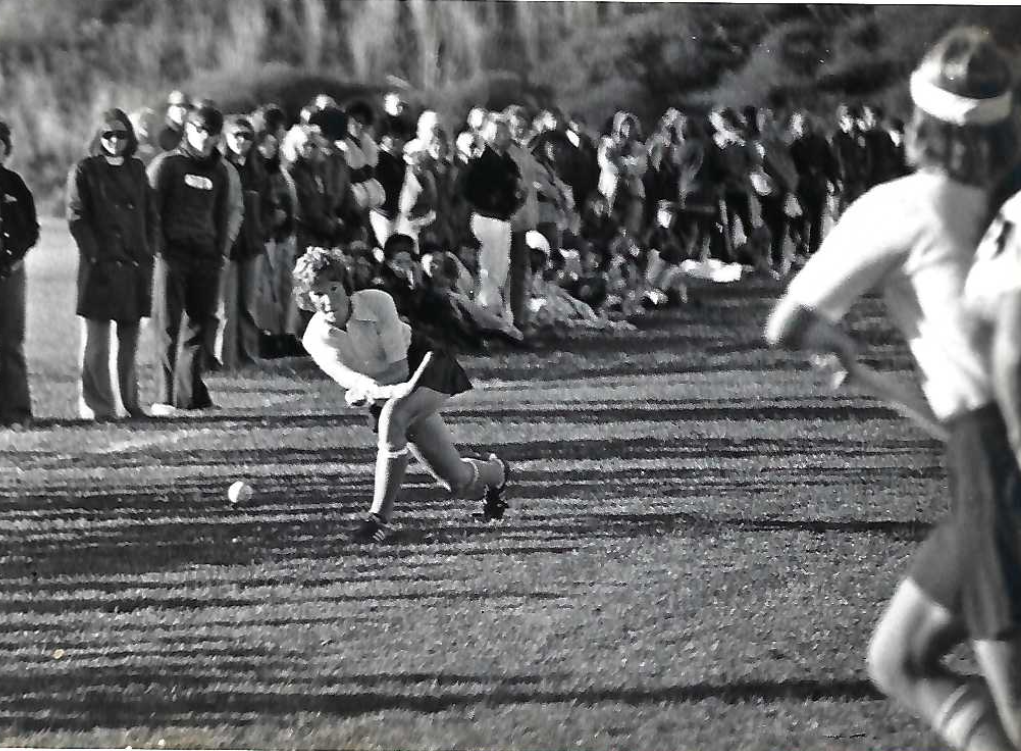
Originally from Manheim, Pa., Stevens received her bachelor's degree in education, summa cum laude from West Chester University in 1976. She captained the 1975 field hockey team at West Chester that won the AIAW National Championship.
In 1979, she received her master's degree in sports psychology from Penn State. There, she also served as assistant field hockey and lacrosse coach from 1977–1979, with the lacrosse squads winning AIAW National Championship titles in 1978 and 1979.
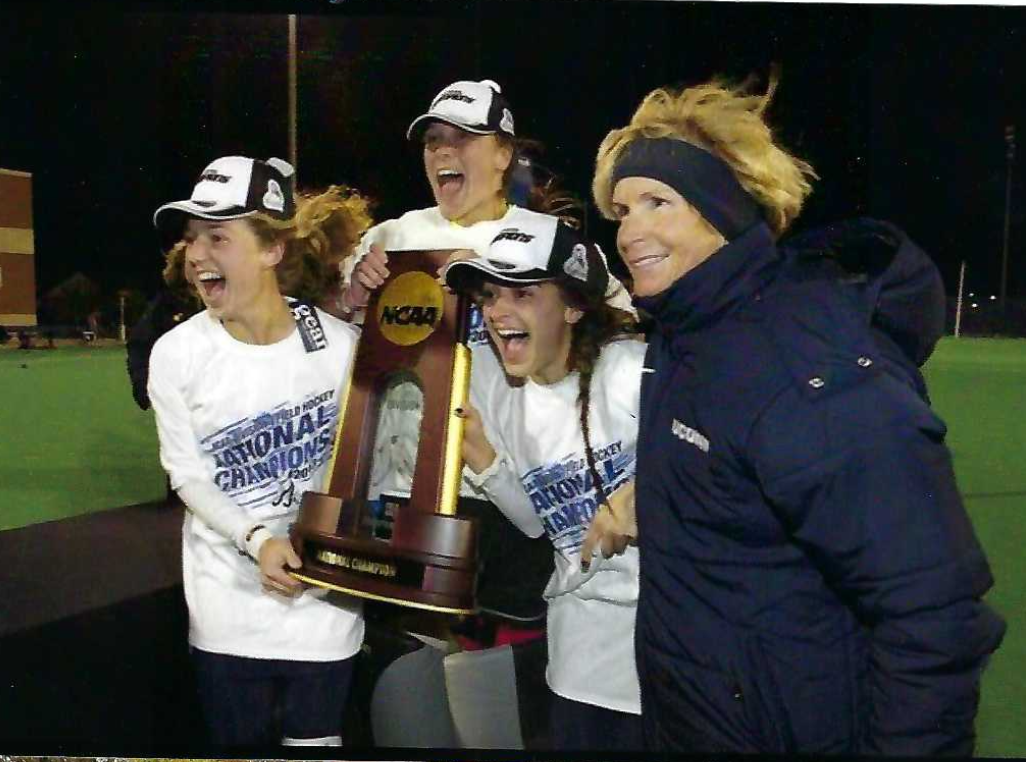
From there, Stevens moved on to head field hockey coaching positions for 41 seasons: two years at Franklin and Marshall, nine years at Northwestern University, and 30 seasons at the University of Connecticut. She took two Division I programs to a No. 1 ranking (Connecticut in 2018, 2017, 2016, 2015, and 1999, and Northwestern in 1985). Recognized as one of the top collegiate field hockey coaches in the nation, she compiled an impressive 700-189-24 record for a 77.98 winning percentage over her 41 total seasons.
Stevens is a longstanding member of the National Field Hockey Coaches Association (NFHCA). She has also served on the U.S. Olympic Committee’s Athlete’s Advisory Council and the U.S. Olympic Committee’s Membership Committee. In addition, Stevens has held the positions of Vice President in the U.S. Field Hockey Coaches Association and was a former Vice President of the National Field Hockey Coaches Association.
Bradley R. Cashman
Living
Year Inducted:2026
-
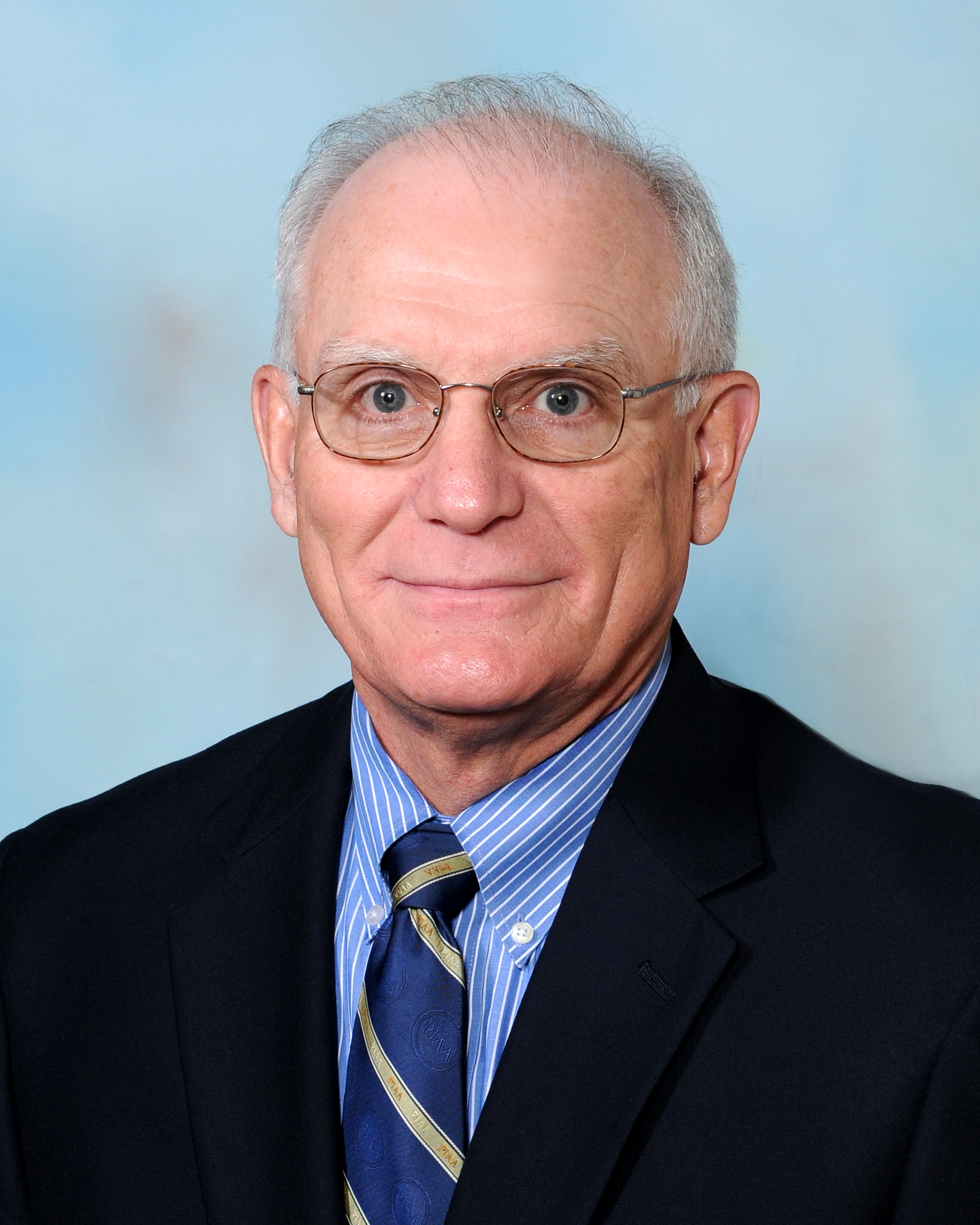
Born and raised in Hanover, Pennsylvania, he earned the rank of Eagle Scout in December 1961 and was later awarded the Vigil Honor of the Order of the Arrow in 1963. He graduated from Eichelberger High School in 1964, where he was a multi-sport athlete, competing in football, tennis, and track and field. He earned two football letters and participated in the North vs. South York County All-Star Football Game in June 1964.
Following high school, he received a full football scholarship to George Washington University in Washington, D.C., where he played under Coach Joe Popp as a freshman and became a starting offensive guard as a sophomore under Coach Jim Camp. In 1966, he earned Associated Press All-America Honorable Mention and First Team All-Southern Conference honors, and he remains the only player in George Washington football history to receive the Jacobs Blocking Trophy as the conference’s top blocker. When GWU discontinued its football program in 1967, he transferred to the College of William & Mary in Williamsburg, Virginia.
At William & Mary, he continued his collegiate football career as a starting offensive tackle under legendary coach Marv Levy. In 1967, he again earned AP All-America Honorable Mention and First Team All-Southern Conference honors, along with First Team All-State recognition in Virginia, and finished as runner-up for the Jacobs Blocking Trophy. He later returned to the game as an assistant freshman football coach at William & Mary in 1968 and served as assistant west coach for the East vs. West Cumberland County All-Star Game in 1972.
He began his professional career in education and coaching at Northern High School in Dillsburg, Pennsylvania, where he served as a business education teacher and head football coach from 1970 to 1980. During his tenure, he compiled a 60–44–1 record, including eight winning seasons, while shaping student-athletes both in the classroom and on the field.
In 1980, he joined the Pennsylvania Interscholastic Athletic Association (PIAA) Executive Staff, where he served for 32 years until his retirement in 2012, including 19 years as Executive Director. In this role, he helped modernize and expand interscholastic athletics across the state. His leadership included initiating statewide football playoffs for all district champions, and introducing state championship competitions in multiple sports including team wrestling, tennis, lacrosse, and competitive cheer. He also helped transition girls’ soccer to the fall season statewide and supported the integration of Philadelphia Public League and Philadelphia Catholic League schools into PIAA membership.
He also represented Pennsylvania for 30 years on the National Federation of State High School Associations (NFHS) Football Rules Committee, serving four years as chair and earning recognition for his contributions to the advancement of the sport. He served on the NFHS Board of Directors and received both the NFHS Outstanding Service Award and Citation for his contributions to interscholastic athletics.
His contributions have been recognized through multiple hall of fame inductions, including the Pennsylvania Sports Hall of Fame West Shore and South Central Chapters, as well as induction into the Hanover High School Athletics Hall of Fame. He remains active as a registered PIAA track and field and cross-country official, continuing to contribute to high school athletics.
Above all, he values family, having been married to his wife Susan for nearly 59 years. Together they are the parents of five sons and are proud grandparents and great-grandparents.
Theodore Lachowicz
Living
Year Inducted:2026
-
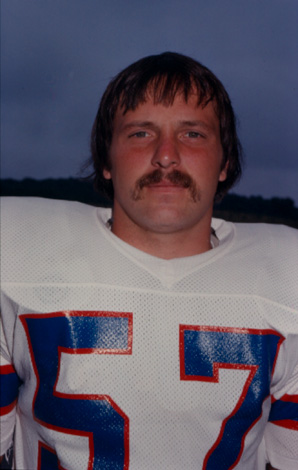
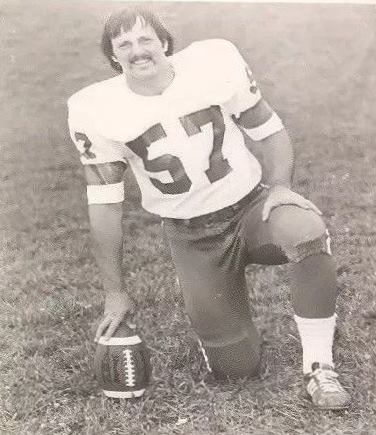
Theodore “Ted” Lachowicz was born and raised in Shenandoah, where he became one of the most accomplished multi-sport athletes in the history of Shenandoah High School. A standout in football, basketball, and baseball, Lachowicz earned statewide recognition for his athletic excellence and leadership.
In football, he was a three-year starter and earned 1968 All-State honors at linebacker. Regarded as one of the premier high school football players in Pennsylvania, he received more than 30 full scholarship offers and ultimately narrowed his college choices to Syracuse University, the University of Pittsburgh, the University of Wisconsin, and the United States Military Academy.
On the basketball court, Lachowicz earned All-State Honorable Mention honors while scoring 435 points during his senior season, including a remarkable 40-point game. His outstanding play generated 10 full basketball scholarship offers. In baseball, he was a three-year starting catcher, earned All-League honors, helped lead Shenandoah to the District 11 championship game against Bethlehem Liberty High School, and was offered a professional opportunity by the Los Angeles Dodgers, which he declined.
His high school accomplishments earned him the prestigious Schuylkill County National Football Foundation Athlete of the Year Award, and he was later inducted into the Shenandoah High School Wall of Fame.
At Syracuse University, Lachowicz continued to distinguish himself as a three-year football starter and one of the premier linemen in the East. He was named to the All-East Football Team three consecutive years (1969, 1970, 1971) and earned ECAC Weekly All-Star honors seven times during the 1970 and 1971 seasons. His dominant performance against the University of Pittsburgh earned him National College Lineman of the Week recognition, with The New York Times famously writing that “Lachowicz spent the afternoon in the Pitt backfield.” In 1971, he received the Joseph Alexander Award, presented to the Syracuse athlete who excels in football, scholarship, and citizenship.
Following college, Lachowicz signed professionally with the Hamilton Tiger-Cats in 1972 and later played for the Orlando Blazers under legendary coach Jack Pardee, serving as Special Teams Captain during the 1974 season.
Lachowicz has also been recognized for his lifelong commitment to service and philanthropy. He has received three Syracuse University Achievement Awards for his work with disabled veterans.
In 2008, he founded the EBV Foundation, an organization dedicated to helping disabled veterans pursue entrepreneurial opportunities. Through mentorship, guidance, and substantial financial support, the foundation has helped hundreds of veterans launch and grow their businesses. Lachowicz has personally mentored more than 200 disabled veterans, continuing a lifetime commitment to leadership, service, and excellence.
Return to Inductee at a Glance main page.